Quick facts
- First released
- September 17, 1991
- Creator
- Linus Torvalds
- License
- GPLv2
Overview
Linux is a family of free and open-source software Unix-like operating systems based on the Linux kernel, which was first released on 17 September 1991 by Linus Torvalds. Some members of the family are typically packaged as a distribution, which includes the kernel alongside supporting system software and libraries developed by third parties—such as GNU, Red Hat, and X.Org—to create a complete operating system; however, not all Linux-based operating systems are considered distros, with Android being an example. Linux was originally designed as a clone of Unix and is distributed under the copyleft GPL license.
Forest Trails
- Subfield Of
- Runs
- Implements
- Runs on
- Exemplified In
- Created By


Referencing articles
What is Linux?
Linux powers most Internet infrastructure and every Android phone. What it is, how it works, and why it conquered the world.

Rust and memory safety
Systems programming without garbage collection — and without segmentation faults.
Open source, explained
A licensing choice that turned into a way of building software — and a lot of the internet.
What is Docker?
The container format that made Linux containers feel like an app store for infrastructure.

What is Kubernetes?
The open-source system that turned container orchestration into a commodity.
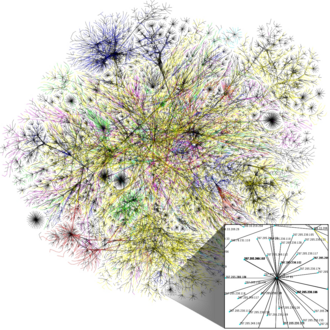
Linux: the operating system of the internet
One kernel, endless distributions — and the substrate for almost every server and most phones.