From GPT-1 to GPT-4
GPT-1 (2018, 117M params). GPT-2 (2019, 1.5B): OpenAI initially withheld it. GPT-3 (2020, 175B): emergent few-shot learning. GPT-4 (2023, multimodal): new benchmarks in reasoning and coding, the backbone of ChatGPT.
The RLHF breakthrough
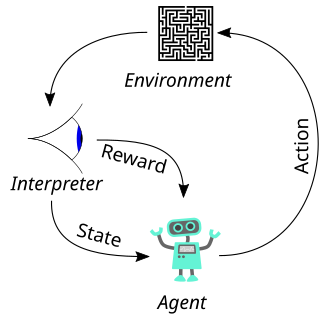
Raw GPT-3 was powerful but unruly. InstructGPT (2022) applied RLHF: human raters ranked outputs, training a reward model. The LLM was then fine-tuned to maximise that reward — producing instruction-following, safer responses.
The product launch
ChatGPT launched November 30, 2022 as InstructGPT in a chat interface. Within 5 days: 1 million users. Within 2 months: 100 million — the fastest product adoption in history.
What made it different
Earlier chatbots were scripted or retrieval-based. ChatGPT generated free-form text on any topic with coherence and breadth no previous system matched. The chat format was immediately intuitive.
The era it created
ChatGPT triggered an AI Cambrian explosion — every major company launched LLM products, billions flowed into AI infrastructure, and it raised profound questions about education, knowledge, and labour.